Modulo

Homeschool Languages

No reviews
Recommended Ages

Preschool–5th grades

Homeschool Languages is an online platform built specifically for homeschool families who want structured, flexible language learning without juggling multiple logins or school-style systems. Created by a homeschooling parent and language teacher, it offers self-paced courses in several languages with video lessons, audio practice, interactive exercises, and clear weekly plans. Parents appreciate that the program includes pacing guides and review built in, so they don’t have to design a syllabus from scratch, and that siblings can often learn together. It may not have the flash of big-name apps, but its homeschool-aware design, reasonable pricing, and strong support make it a solid long-term choice for family language study.

Great for roughly grades 1–6 who are comfortable with basic reading and like coloring, matching, and labeling—especially kids who enjoy checklists and the satisfaction of finishing workbook pages. It’s a nice fit for parents who want a secular, structured, mostly offline way to introduce another language and are willing to add songs, shows, or simple conversations on top.

Pros

Secular families like that Homeschool Languages is screen-light and highly concrete: themed vocabulary lists, hand-drawn illustrations, and matching flashcards make early Spanish, French, or German feel approachable even for parents who aren’t fluent. The structured, incremental layout works well for kids who enjoy checking off pages and seeing their word bank grow over time.

Cons

Because it focuses heavily on vocabulary, it offers relatively little grammar explanation, pronunciation coaching, or natural conversation practice, so many families treat it as a first step rather than a complete path to fluency. Kids who dislike workbooks or repetition can find the exercises a bit samey if you don’t add games and real-life use.

Homeschool Languages works with charters and ESA‑style funding and appears on multiple ESA and scholarship provider lists, but approval still varies by state and program, so verify with your specific provider.

$30-200

Homeschool Languages
$30.00 USD

Skills

What kids will learn

Homeschool Languages Mission

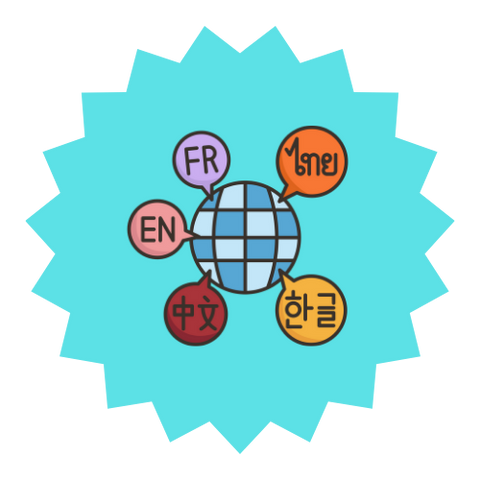
Homeschool Languages exists to help families weave real-life language into their days through playful, open-and-go lessons designed especially for young children. Using puppets, games, stories, and hands-on activities rather than workbooks, the curriculum teaches practical phrases and vocabulary in Spanish, German, French, Portuguese, and Italian—even to non-reading kids and parents who are beginners themselves. The goal is to build meaningful family connection and authentic communication in another language, not just to memorize lists or pass quizzes.

Homeschool Languages Story

Homeschool Languages was created when founder Cindy Oswald started teaching her own four children at home and couldn't find a world-language program that felt natural, fun, and doable in a busy homeschooling day. Dissatisfied with traditional textbook-style resources aimed at older students, she began writing simple, play-based lessons that used toys, everyday objects, and imaginative play to get her kids actually speaking. Friends started asking for copies, and what began as a homegrown Spanish course slowly expanded into multiple languages and levels. Today Homeschool Languages serves families around the world with no-prep, print-or-digital curricula that continue to grow based on feedback from parents and kids.

About Modular Learning

FAQ: Additional Details about Homeschool Languages

On a Homeschool Languages day, you spread colorful cards and props on the table, sing simple songs, act out pretend scenes like a café or park, and later hear your child casually ask for a snack in the target language. 

Homeschool Languages is an open‑and‑go language course in a box for roughly ages 4–10; you unpack scripted lessons, story cards, and games, follow a short parent script 2–3 times per week, and weave the new language into everyday life through play. 

A grown‑up leads each lesson, reading the script, modeling phrases, running games, and using the target language in daily routines like meals and playtime, often with siblings joining in. 

No prior language is required and non‑readers are welcome; kids just need the ability to sit for short lessons and a caregiver willing to speak and play along. 

Homeschool Languages offers structured but gentle multi‑language curricula designed for families, which can help autistic and ADHD kids by providing consistent routines and built‑in review. Because lessons are short and multi‑sensory, families can tilt toward audio/oral work for dyslexic learners and add extra movement or props for sensory seekers.

May work well for 2e learners who need clear routines and multimodal input (audio, print, visuals) in small chunks. Not explicitly designed for neurodivergence, but the homeschool‑friendly pacing lets you repeat or skip as needed.

Physical curriculum sets typically offer a 7‑day return window after delivery, while many digital downloads are sold as non‑refundable; the company strongly encourages trying free sample lessons before purchasing. 

Not ideal for teens seeking high-school–level grammar, serious conversation skills, or AP credit, or for kids who strongly prefer learning through immersive audio/video rather than paper-based exercises. It also won’t be the best fit if no one in the home is willing to model or practice speaking out loud.

For more immersive options, consider Calico Spanish or Homeschool Spanish Academy live classes; techy learners might prefer Duolingo, Mango Languages, or Drops; for a literature-rich path, look at TalkBox.Mom or bilingual picture books.

The creator continues to add new levels, languages, and bilingual storybooks and shares tweaks, cultural extras, and pronunciation tips through email, social media, and blog posts. 

Use it as a spine, not the whole meal: do a small chunk daily, then turn those words into scavenger hunts (“find three cosas de la cocina”), label objects around the house, and play simple games like Memory or Go Fish with the flashcards to make the vocabulary stick.

Contact form

Meet Cindy

Cindy Oswald is a homeschool mom of four and the founder and curriculum designer behind Homeschool Languages. Living in Wyoming and originally from Utah, she built the program out of her own experience experimenting with games, storytelling, and movement to engage very young learners in new languages. Cindy is passionate about family connection, flexibility, and creativity, and she brings those values into every unit she writes so that parents without a language background can still feel confident leading rich, playful lessons. When she's not developing new levels and teacher guides, you'll often find her testing activities with her own kids or sharing ideas on podcasts and in the homeschool community.